SealsDigital Studio
Create your own stamp © sealsdigital.com
PreviewStamp size · 38 mm
Loading...
Select ElementSelect Element
Notary stamps maker
Browse and select professional seal templates related to Notary stamps maker

SealsDigital Rectangular Notary Stamp Design — #0463223

Notary Stamp Template for the SealsDigital Stamp Maker — #4984154

Editable Notary Stamp for the SealsDigital Stamp Creator — #4260014
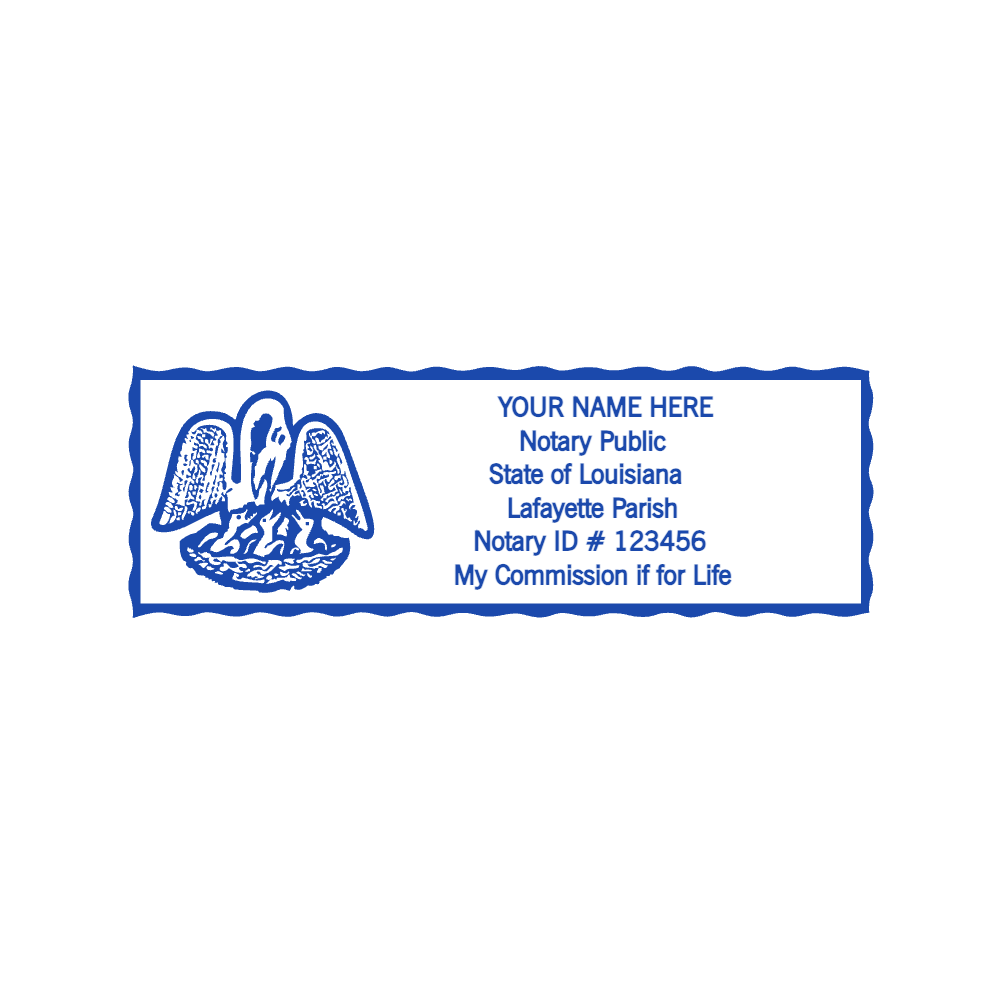
Create a Notary Stamp Online with SealsDigital — #4792105
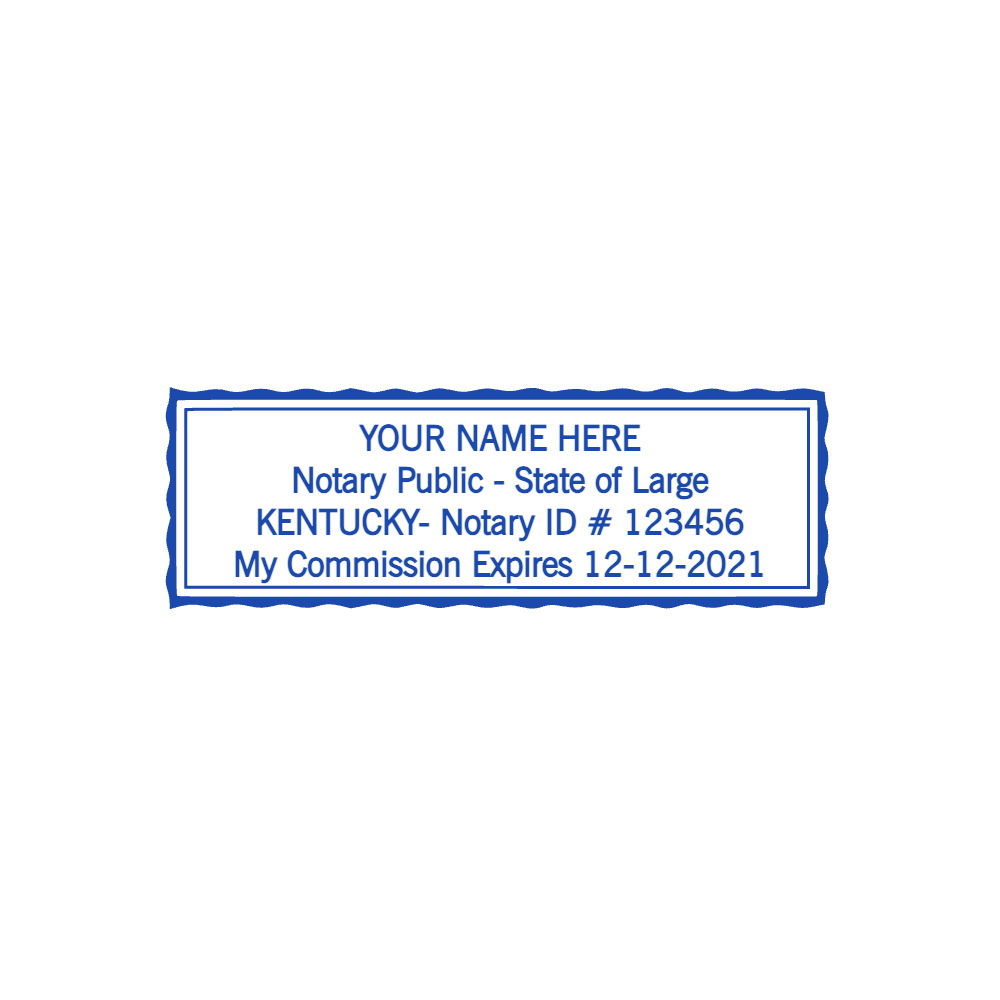
Create a Notary Stamp Online with SealsDigital — #5158714

Editable Notary Stamp for the SealsDigital Seal Maker — #5611709

Notary Stamp Template for the SealsDigital Stamp Maker — #0670947

Round Notary Stamp by SealsDigital Seal Maker — #1647040

Editable Notary Stamp for the SealsDigital Stamp Maker — #3103525

Round Notary Stamp by SealsDigital Seal Maker — #3718341
Showing 1 - 10 of 10 templates
Browse Other Categories
A notary stamp is more than just a simple office supply — it is a legally recognized tool that validates and authenticates important documents. In many countries, a notary stamp carries the authority of law, giving credibility and official standing to agreements, contracts, property transfers, and more. Without a proper notary stamp, many documents would lack legal enforceability. Want to configure one that fits your jurisdiction? Start with the to preview compliant layouts, expiration fields, and embossing options.
This article provides an in-depth guide to notary stamps: what they are, why they matter, how they differ across regions, and what professionals need to know about their proper use.
A notary stamp (sometimes called a notary seal) is a personalized stamp issued to a notary public by the state or governing authority.
It typically includes:
- The notary’s name
- Commission number or ID
- The state or jurisdiction of authority
- The expiration date of the notary’s commission
By stamping documents, a notary certifies that:
- The signer appeared before them in person.
- The signer’s identity was verified.
- The document was signed willingly and without coercion.
This process helps prevent fraud, ensures transparency, and builds trust in official transactions.
Notary stamps are essential because they bridge the gap between private agreements and legal recognition. Some key roles include:
- Legal Authentication
A notarized document carries greater legal weight in courts and official proceedings. - Fraud Prevention
By requiring face-to-face verification, notaries help stop identity theft, forgery, and false representation. - Business and Property Transactions
From real estate deeds to loan agreements, notary stamps ensure deals are binding and enforceable. - International Recognition
Many countries require notarized documents for cross-border contracts, visas, and adoption papers.
In short, a notary stamp transforms a simple paper into a legally recognized and trusted document.
Not all notary stamps are the same. They can vary based on function, jurisdiction, and preference:
- Traditional Rubber Notary Stamps
- Require a separate ink pad.
- Common in offices with occasional notarization needs.
- Self-Inking Notary Stamps
- Convenient for daily use.
- Provide fast, consistent impressions with built-in ink.
- Pre-Inked Notary Stamps
- Long-lasting, sharp impressions.
- Preferred by professionals who notarize high volumes of documents.
- Embossing Seals
- Create a raised, pressure-based imprint.
- Often used alongside ink stamps for added security.
- Digital Notary Stamps
- Used in online notarization (remote notarization).
- Secure, encrypted, and legally recognized in many states and countries.
Since notary stamps represent legal authority, their design and usage are tightly regulated. Key rules usually include:
- Standardized Design: States or countries often dictate the exact format, including borders, text, and required details.
- Personal Use Only: A notary stamp may only be used by the notary whose name appears on it.
- Expiration Dates: Once a notary’s commission expires, the stamp becomes invalid and must be replaced.
- Secure Handling: Notaries are responsible for preventing unauthorized use.
Need a refresher on regional compliance? Review the and cross-reference the guidance with your commission handbook.
Failure to follow these rules can result in fines, revocation of commission, or even legal penalties.
The use of notary stamps is universal, but the rules differ:
- United States
Each state sets its own notary requirements. Some prefer ink stamps, others allow embossers, and many now permit digital notarization. - Europe
In countries like Germany and France, notaries have greater authority — often comparable to legal professionals. Their stamps and seals carry significant power. - Asia
Countries like China and Japan use notary seals for business and government purposes, often requiring notarization for cross-border transactions. - Middle East & Africa
Notary stamps are heavily relied upon for property transfers, court documents, and contracts, where trust and authenticity are critical.
This diversity highlights the importance of understanding local rules before using or designing a notary stamp.
To maintain credibility and security, notaries should follow these best practices:
- Keep Stamps Secure
Store them in a locked drawer or safe when not in use. - Record Every Use
Maintain a notary journal documenting date, type of document, and signer details. - Avoid Unauthorized Use
Never allow assistants, family, or colleagues to use your notary stamp. - Replace on Time
Renew commissions and update stamps before expiration. - Use Clear, Legible Impressions
Ensure that every stamp is sharp and complete, avoiding smudges that may cause legal disputes.
Technology is transforming notarization. With the rise of remote online notarization (RON), digital stamps and electronic seals are becoming common. These allow notaries to verify identities through video calls and apply secure, encrypted digital stamps to electronic documents.
While traditional ink stamps remain widely used, digital notary stamps represent the next era of authentication — balancing security, efficiency, and global accessibility. Bolster remote workflows with the safeguards outlined in to ensure every e-notarization passes audit scrutiny.
Notary stamps are not just office tools — they are symbols of trust, authenticity, and legal power. From real estate deals to international contracts, their role in safeguarding agreements cannot be overstated.
By understanding their purpose, following legal requirements, and adapting to new technologies like digital stamps, professionals can ensure that notarization remains both reliable and future-ready.
