SealsDigital Studio
Create your own stamp © sealsdigital.com
PreviewStamp size · 38 mm
Loading...
Select ElementSelect Element
Rubber Stamp maker
Browse and select professional seal templates related to Rubber Stamp maker

Round Rubber Stamp by SealsDigital Digital Stamp Creator — #7745493

Rubber Stamp Template for the SealsDigital Stamp Maker — #8796338
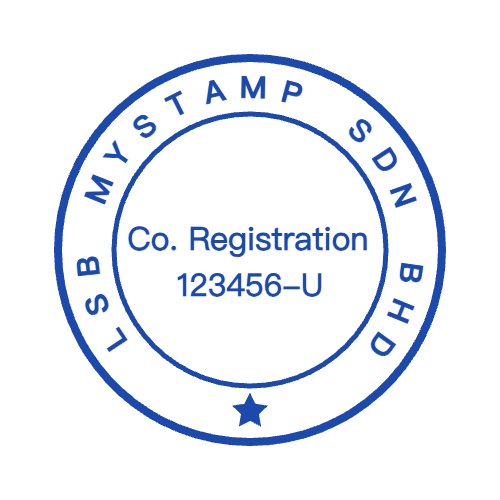
SealsDigital Rubber Stamp Starting Layout — #8978239

Round Rubber Stamp by SealsDigital Online Stamp Maker — #9082579

SealsDigital Rubber Stamp Starting Layout — #9457163

Create a Rubber Stamp Online with SealsDigital — #0093660

Editable Rubber Stamp for the SealsDigital Stamp Maker — #4134362
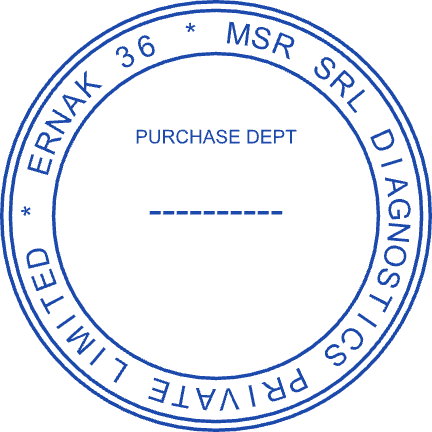
SealsDigital Round Rubber Stamp Design — #4369036

Rubber Stamp Template for the SealsDigital Stamp Creator — #4805331

Rubber Stamp Template for the SealsDigital Stamp Maker — #4925638

Editable Rubber Stamp for the SealsDigital Seal Maker — #5122131

Editable Rubber Stamp for the SealsDigital Stamp Maker — #6978370
Showing 1 - 12 of 12 templates
Browse Other Categories
By harnessing the adaptability of vulcanized rubber, rubber stamps evolved from simple business instruments into versatile tools for professionals and creatives alike. Want to skip straight to customization? Explore the to test layouts, ink colors, and mount styles instantly.
A rubber stamp consists of text or a design molded onto a rubber block, which transfers ink onto surfaces when pressed.
Formats range from separate-ink-pad mounts to self-inking and pre-inked models, each suited to different volumes and precision needs.
The vulcanization process, accidentally discovered by Charles Goodyear in 1839, transformed raw rubber into a stable medium for stamps.
Between 1864 and 1866, James Orton Woodruff pioneered mass-produced custom rubber stamps by applying dental vulcanizer technology to stamp manufacturing.
By the late 1800s, rubber stamps became ubiquitous in offices worldwide, and 20th-century innovations added self-inking and pre-inked designs for greater convenience.
- Operational Efficiency: Standardize routine annotations—dates, statuses, signatures—across high volumes of paperwork.
- Branding Consistency: Deploy logo and address stamps on documents and packaging to reinforce corporate identity.
- Document Security: Customize stamps with unique designs and inks to deter forgery and validate authenticity. For more ways to align branding elements, consult the before finalizing artwork.
- Mixed Media Projects: Incorporate rubber-stamped motifs into cards, scrapbooks, and decor for layered visual effects.
- Textile Printing: Apply dye-based inks to stamp fabrics, creating custom patterns on clothing, bags, and linens.
- Educational Tools: Teachers use stamps to mark feedback—“Excellent,” “Try Again,” or thematic icons—that engage and motivate students. Looking for rounded layouts that pair well with rubber impressions? The shares composition tips adaptable to rubber mediums.
- Volume Needs: Choose traditional stamps for occasional use, self-inking for medium volumes, or pre-inked for high-frequency stamping.
- Design Complexity: Simplified graphics reproduce more clearly; avoid fine lines that may blur with repeated impressions.
- Material and Ink: Match stamp materials and ink types to substrates—paper, cardboard, fabric, or unglazed clay—to ensure crisp results.
Advantages
• Versatile across office, educational, and creative settings
• Cost-effective for mass duplication of information
• Customizable for branding and security
Limitations
• Fine details may degrade over time or with low-quality inks
• Traditional stamps require external ink pads, adding setup time
• Plastic and wood handles may wear or warp without proper care
Emerging smart stamps combine QR codes and NFC chips for interactive stamp marks that link to digital information.
Hybrid workflows will integrate physical impressions with secure digital records, ensuring seamless authentication and enhanced traceability.
Rubber stamps remain powerful instruments that bridge industry and artistry. By understanding their history, applications, and design choices, users can leverage their full potential—from speeding office tasks to sparking creative expression.
