SealsDigital Studio
Create your own stamp © sealsdigital.com
PreviewStamp size · 38 mm
Loading...
Select ElementSelect Element
Company seals maker
Browse and select professional seal templates related to Company seals maker

Editable Company Seal for the SealsDigital Seal Maker — #9082560

SealsDigital Company Seal Starting Layout — #9633815

Editable Company Seal for the SealsDigital Seal Maker — #4786791

Company Seal Template for the SealsDigital Stamp Maker — #6910482

Company Seal Template for the SealsDigital Online Stamp Maker — #7709571
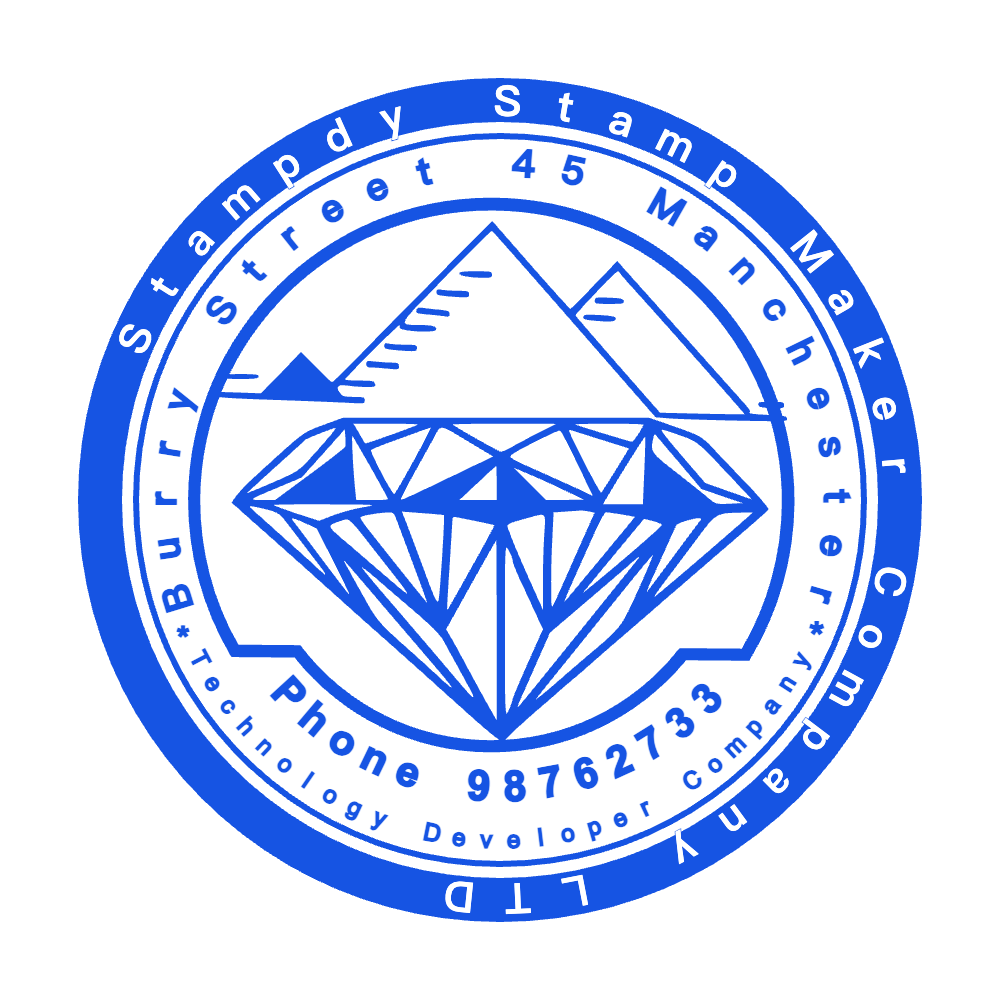
Create a Company Seal Online with SealsDigital — #5094504

Editable Company Seal for the SealsDigital Digital Stamp Creator — #7391210

Company Seal Template for the SealsDigital Stamp Creator — #5407861

Editable Company Seal for the SealsDigital Stamp Maker — #7404715

SealsDigital Round Company Seal Design — #7650327
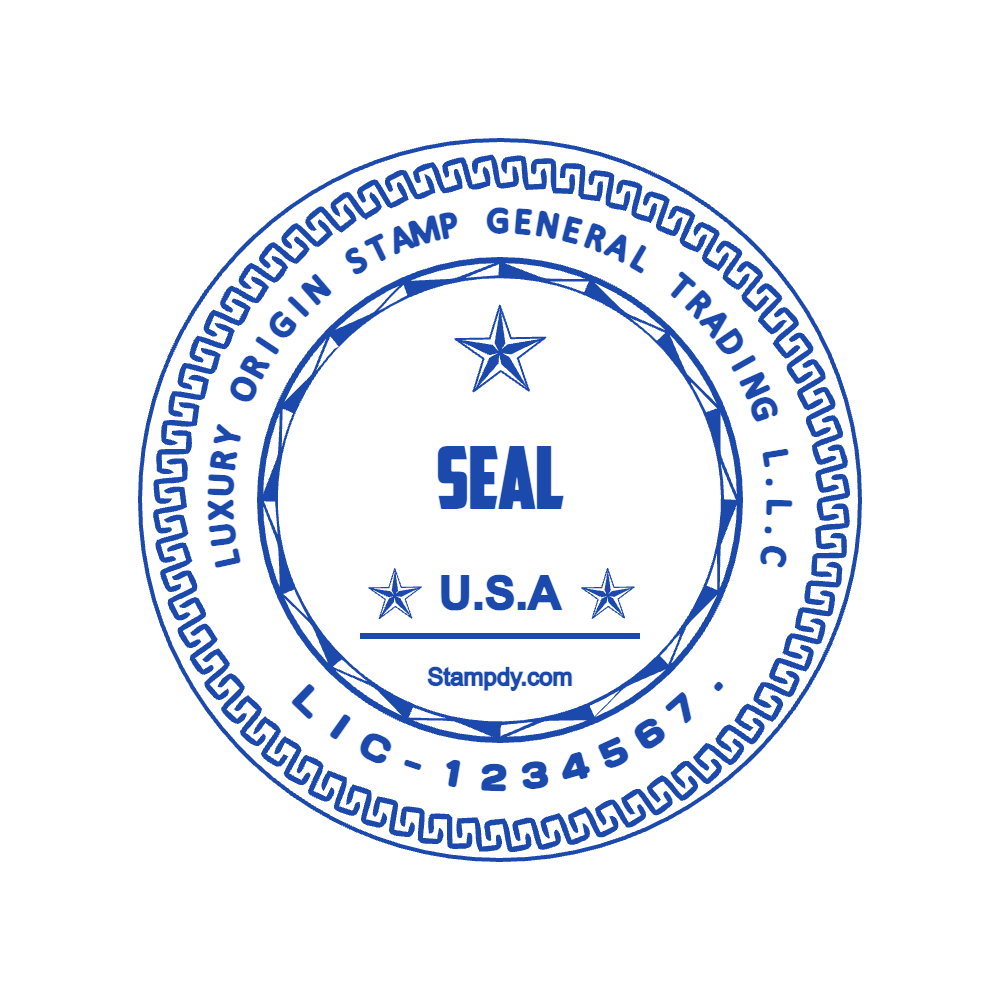
Create a Company Seal Online with SealsDigital — #9223688

Company Seal Template for the SealsDigital Stamp Maker — #9923665
Showing 1 - 12 of 38 templates
Browse Other Categories
Company seals remain a cornerstone of formal business processes, offering a consistent, tamper-resistant way to endorse contracts, certificates, and official correspondence. Whether you’re launching a startup or managing a multinational corporation, understanding how to select, use, and maintain the right seal ensures every stamped document carries the intended legal and professional weight. Need a starting point? Use the to test layouts, logos, and statutory text before carving or ordering hardware.
A company seal—sometimes called a common seal or corporate stamp—is a pre-configured device that imprints a company’s registered name, incorporation number, and often a logo or jurisdiction onto paper.
By affixing this seal to a contract or certificate, an organization signals its formal approval, creating a clear, uniform endorsement that a handwritten signature alone may not convey. Even in regions where seals are no longer strictly required by law, many businesses continue using them to reinforce authenticity and prevent unauthorized alterations.
Seals trace their origins to ancient civilizations, where ruling authorities pressed engraved symbols into clay or wax to validate decrees. In Europe and Asia, guilds, governments, and merchants adopted metal and carved-stone seals throughout the Middle Ages.
During the industrial revolution, rubber and polymer stamps emerged, enabling businesses to meet mounting paperwork demands. Today’s company seals blend centuries-old ritual with modern materials and manufacturing techniques, preserving tradition while optimizing for speed and precision.
Understanding local regulations is critical before investing in a seal. In some jurisdictions, deeds, share certificates, and notarized documents still mandate a company seal alongside authorized signatures. Other regions have relaxed requirements, accepting digital or handwritten endorsements in place of a physical seal.
Review your articles of incorporation and corporate bylaws for any stipulations about seal custody, design, or usage. Consult legal counsel or your company secretary to confirm which documents require a seal—and whether an electronic alternative can fulfill the same function.
Maintaining a usage log—recording who stamped each document, when, and under what authority—reinforces your internal controls and creates an audit trail for compliance reviews or external examinations.
For a jurisdiction-by-jurisdiction overview, bookmark the guide and adapt its checklist to your physical seal policy.
Several seal formats address varying needs and volumes:
- Standard Text Seals
Imprint only the company’s full legal name and registration number, often within a circular frame. These cost-effective stamps handle routine endorsements like invoices, internal memos, and letterheads. - Logo-Enhanced Seals
Incorporate a high-contrast company logo alongside essential text. Ideal for marketing collateral, customer agreements, or client-facing certificates, logo seals strengthen brand identity with every impression. Need inspiration for balanced branding? The walks through hierarchy and spacing tactics that translate directly to logo seals. - Composite Date & Info Seals
Combine static company details with adjustable date bands or signature lines. Perfect for departments that timestamp approvals, track document receipt dates, or add reviewer initials in a single press. - Embosser Seals
Use a hinged lever mechanism to create raised (blind) impressions without ink. Reserved for formal certificates, share documents, and notarized papers, embossers lend a tactile element that draws attention and resists counterfeiting. - Digital and Hybrid Seals
Embed secure electronic seals or watermarked images into PDFs, paired with a synchronized physical seal for printed copies. These hybrid systems streamline remote approvals and maintain parity between digital and hard-copy workflows.
Different sectors leverage seals in distinct ways:
- Legal and Real Estate
Property deeds, mortgage documents, and litigation filings often still require a sealed imprint. Embossers or wet-ink seals add formal validity and deter forgery. - Finance and Banking
Loan agreements, account opening forms, and compliance certificates use self-inking or pre-inked seals for speed and consistency across high-volume transactions. - Manufacturing and Quality Control
Inspection reports, safety certificates, and factory test logs employ date-and-initial seals to document approvals at each production stage. - Education and Certification
Diplomas, transcripts, and professional licenses are traditionally affixed with embossers or ink seals to confirm institutional endorsement. - Human Resources
Employment contracts, offer letters, and benefits forms often feature company seals alongside executive signatures, underscoring procedural completeness.
- Assess Document Types
Catalog every document requiring a seal: contracts, certifications, invoices, or internal approvals. Map each to a suitable seal style—embossers for formal certificates; self-inking for routine paperwork; composite seals for date tracking. - Estimate Volume and Frequency
- Low Volume (≤ 100 impressions/month): A traditional rubber text seal and separate ink pad may suffice.
- Medium Volume (100–1,000 impressions/month): Self-inking stamps deliver clean, repeatable marks with minimal re-inking.
- High Volume (> 1,000 impressions/month): Pre-inked polymer stamps sustain tens of thousands of impressions per refill, reducing maintenance and downtime.
- Confirm Legal Mandates
Verify seal size, content, and usage rules in your jurisdiction. Some regions dictate minimum text height or impose frame style restrictions for official documents. - Balance Budget and Brand
While basic text seals are affordable, logo-enhanced and multifunction devices incur higher upfront costs. Factor in lifetime maintenance, pad refills, and potential die replacements when calculating total cost of ownership.
- Information Hierarchy
Present the company name prominently, followed by registration or tax identification number. Date bands, initials fields, or logos should not overshadow critical text. - Font Selection
Use clean, sans-serif or simple serif typefaces sized for legibility at your chosen seal diameter (typically 25–50 mm). Avoid ornate scripts that may blur or fill in over repeated use. - Shape and Layout
Circular seals signal tradition and uniformity, while rectangular or oval formats accommodate longer names or bilingual text. Ensure margins leave sufficient white space to prevent edge distortion. - Logo Simplification
Convert complex graphics into high-contrast silhouettes. Remove fine details, shading, or gradients that might clog with ink or wear unevenly.
- Polymer Dies
Offer razor-sharp impressions and resist wear under heavy use. Ideal for self-inking and pre-inked systems, polymer dies deliver crisp edges on both coated and uncoated stocks. - Rubber on Mounts
Affixed to wooden or plastic blocks, rubber seals pair with separate ink pads for flexible color changes. They are more forgiving when misaligned but may require more frequent replacement in high-volume settings. - Metal Embossers
Brass or zinc alloy dies mounted in hand-held embossers create durable blind impressions. Metal embossers excel for certificates and share documents, though they lack built-in ink. - Hybrid Units
Combine embossing and ink-stamp functions in one device. These versatile mounts apply an inked seal on one side and a raised deboss on the reverse—perfect for dual-format records.
- Laser Engraving and CNC
Digital files guide precision lasers or milling machines to carve polymer or metal dies with micron-level accuracy. This approach ensures consistency across batches and supports rapid turnaround. - Hand-Carved Artisanal Dies
Skilled craftsmen manually inscribe stone or metal blanks, producing unique texture and subtle irregularities prized by collectors or luxury brands. Hand-carved dies often carry a signature mark of the artisan. - DIY Carving Kits
Polymer blocks, hand tools, and step-by-step instructions empower small teams to prototype simple seals in-house. While less refined than machine-cut dies, DIY seals foster creativity and rapid iteration.
- Custody and Access Control
Store seals in locked cabinets or safes under the care of designated officers—often the company secretary or legal manager. Limit usage to authorized personnel who sign a seal-usage log. - Stamping Best Practices
Place documents on a hard, flat surface. Align the seal with registration guides or tape templates. Press with steady, even force and lift straight up to avoid smudging. - Usage Logging
Record each stamping event: date, document title or number, and the responsible individual. A thorough log supports internal audits and deters unauthorized seal use.
- Ink Pad Refills
Replace self-inking or pre-inked pads before impressions fade; most pads last between 5,000 and 50,000 stamps depending on format. Use manufacturer-recommended inks to avoid chemical damage. - Die Cleaning
Wipe polymer and rubber faces with a soft, lint-free cloth. For ink buildup, apply a mild solvent compatible with your seal material—never use harsh abrasives. - Embosser Upkeep
Inspect hinge mechanisms for debris. Lubricate pivot points annually with light machine oil to maintain smooth operation. - Environmental Storage
Avoid extreme heat or direct sunlight, which can dry out ink pads or warp mounts. Keep seals upright to prevent ink pooling on one side.
- Digital Stamp Images
Scan inked impressions at high resolution (300 dpi or above) to create digital seals for electronic documents. Embed these images alongside secure metadata to track usage. - Document Management Systems
Configure workflows that trigger seal creation only after digital approvals. Link electronic signature certificates with digital seal images to produce consistent outputs on print and PDF. - Hybrid Approval Models
Use digital seals for remote stakeholders and physical seals for final hard-copy archives. Cross-reference digital and physical logs to maintain synchronized audit trails.
- Faint or Uneven Impressions
Usually a sign that ink pads need replacement or that the die has debris. Refill the pad and clean the die face thoroughly before re-stamping. - Misaligned Stamps
Ensure the document lies flat and employ alignment guides. For high-volume tasks, consider a stamping jig that holds both paper and seal in fixed positions. - Ink Smudging
Reduce applied pressure and allow oil-based inks 10–15 seconds to dry on coated stocks. Switch to fast-drying formulations when working with glossy or plastic surfaces. - Die Wear
Over time, polymer edges may dull under extreme usage. Monitor impression clarity and replace dies before text or logo lines begin to blur.
Can I replace signatures with a company seal?
In many jurisdictions, a seal supplements rather than replaces authorized signatures. Check local regulations to confirm whether seals alone carry legal force for your document types.
Do I need multiple seals for subsidiaries or brands?
If each legal entity requires unique endorsement, maintain separate seals reflecting each entity’s registered name and number. A single seal covering multiple subsidiaries risks cross-entity liability issues.
What do I do if a seal is lost or stolen?
Immediately notify management and suspend seal usage. Document the incident, update internal controls, and procure a replacement die to prevent fraudulent endorsements.
How long does a seal die last?
Self-inking and pre-inked dies can deliver tens of thousands of impressions before replacement; metal embossers may endure millions of uses. Rubber-only dies often have shorter lifespans under heavy use.
Can I use a seal on non-paper materials?
Oil-based inks on pre-inked or self-inking dies work on plastics, coated papers, and light fabrics. Test on scrap material first to verify adhesion and drying time.
Is a digital seal as secure as a physical one?
Digital seals rely on encryption and metadata to prevent tampering. When combined with secure key-based signature systems, they offer audit trails comparable to physical seals—but acceptance varies by counterparty and jurisdiction.
A well-chosen company seal bridges tradition and modern corporate governance, offering consistent, secure endorsements across every document. By assessing your legal requirements, volume needs, and brand objectives, you can select the ideal seal style—be it a classic embosser, a high-capacity pre-inked stamp, or a hybrid digital solution. With proper design, custodial controls, and maintenance in place, your company seal becomes an indispensable asset, reinforcing professional image and ensuring every impression carries authority.
For customizable company seal templates that blend quality materials with streamlined ordering, explore SealsDigital’s selection—crafted to meet the needs of businesses large and small.
