SealsDigital Studio
Create your own stamp © sealsdigital.com
PreviewStamp size · 38 mm
Loading...
Select ElementSelect Element
Address stamp maker
Browse and select professional seal templates related to Address stamp maker

Address Stamp Template for the SealsDigital Online Stamp Maker — #6320778
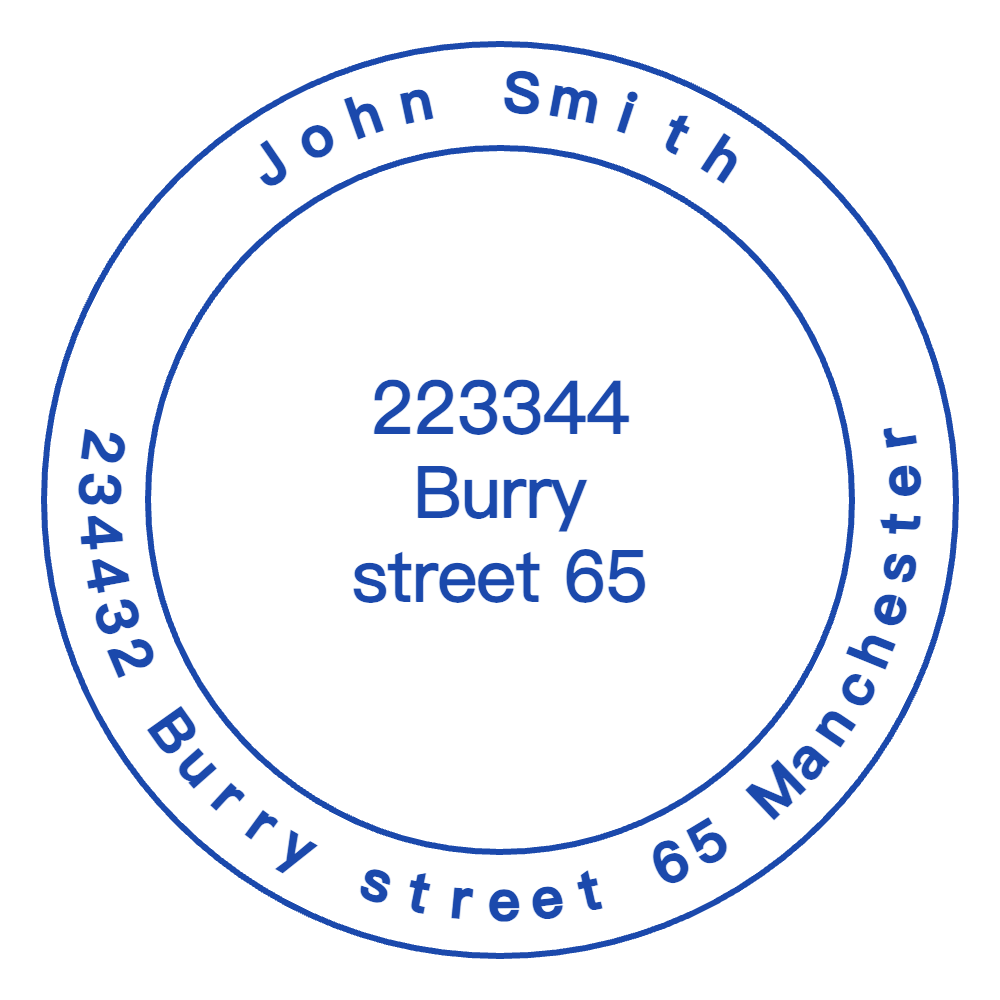
Address Stamp Template for the SealsDigital Stamp Maker — #0306661

Editable Address Stamp for the SealsDigital Seal Maker — #0482624

Address Stamp Template for the SealsDigital Seal Maker — #0540288

Create an Address Stamp Online with SealsDigital — #0594097

Create an Address Stamp Online with SealsDigital — #0634087
Showing 1 - 6 of 6 templates
Browse Other Categories
I’ve gathered additional insights on stamp features, maintenance best practices, and usage scenarios to inform a comprehensive, fresh article. Here is a fully original, markdown-formatted guide without a standalone introduction:
An address stamp is a handheld device, usually made of rubber or polymer, designed to imprint a fixed block of text—your name, street address, and sometimes contact details—onto envelopes, cards, or packages. This tool replaces repetitive handwriting, ensuring every impression is uniform and legible. Need a ready-to-edit layout? Explore the to customize templates before ordering.
Four core formats cover most needs:
- Traditional Rubber Stamps
Require a separate ink pad. Best when color versatility and low cost matter more than speed. - Self-Inking Stamps
Contain an internal ink reservoir that recharges after each press, enabling hundreds or thousands of consistent imprints before a refill. - Pre-Inked Stamps
Feature oil-based ink embedded into the die itself, yielding very sharp lines and lasting up to 50,000 impressions without re-inking. - Address Labels
Pre-printed adhesive sheets offering bulk application—ideal when a clean, printed look is acceptable and dust-free handling is preferred.
- Casual Senders
Hobbyists, holiday-card enthusiasts, and small-scale crafters often choose traditional rubber stamps for on-demand color changes and budget-friendliness. - Small Businesses
Daily or weekly mail volume makes self-inking stamps a time-saver, slashing addressing time by as much as 80 percent. Compare hardware and software workflows in the . - Professional Events
Wedding planners, photographers, and designers favor pre-inked stamps for their crisp detail on glossy invites and branded packaging. - High-Volume Mailers
Organizations sending thousands of letters monthly can use address labels printed in bulk to streamline application and reduce downtime.
Envelope dimensions, spacing, and aesthetic balance all inform size choice:
- Mini (≈1.2″ × 0.5″)
Suits gift tags, favor boxes, or tight-space accents. - Standard (≈2″ × 1″)
Fits most No. 10 envelopes and medium-sized parcels. - Large (≈3″ × 1.5″ or more)
Works on larger mailers and product packaging, where visibility is crucial.
- Natural Rubber
Durable and cost-effective for moderate use; pairs with any ink type but can lose definition over extensive runs. - Polymer
More flexible, forgiving on uneven surfaces, and retains crisp edges longer—ideal for self-inking and pre-inked designs. - Wood or Plastic Mounts
Provide a comfortable grip; plastic mounts are lighter for frequent use, while wood feels more traditional.
- Prioritize Clarity
Limit to three or four lines: name or company, street, city/state/ZIP, plus one contact method if needed. - Choose Readable Fonts
- Serif: traditional and formal
- Sans-serif: modern and clean
- Script: decorative, use sparingly
- Add Simple Graphics
A small logo, icon, or divider line can reinforce branding or theme without overcrowding. - Test Ink Colors
Dark neutrals (black, navy) ensure legibility on most papers; metallics can add flair for special occasions.
- Press on a rigid, even surface.
- Align the stamp carefully using a guide or grid to avoid slanted impressions.
- Let each impression dry fully—especially oil-based inks on coated stock—to prevent smearing.
- Self-Inking/Pre-Inked
Store upright, away from heat and direct sunlight. Refill or replace pads before impressions begin to fade. - Traditional Rubber
Clean gently with a damp cloth when switching ink colors; avoid harsh solvents that can degrade the rubber. - General Tips
Keep caps on when not in use to prevent dust accumulation. Inspect dies periodically for wear or debris.
Can I use an address stamp on non-paper surfaces?
Yes. Pre-inked and oil-based self-inking stamps often work well on fabrics, plastics, and light woods. Always test on a hidden spot first.
How quickly can I get a custom stamp?
Production and shipping usually take 2–5 business days, depending on complexity and location.
What if my address changes?
Since the die is permanent, you’ll need a new stamp. Many vendors offer discounts on reorders to ease the transition.
By mapping your mailing volume, preferred surfaces, and design goals to the right format and materials, an address stamp can transform repetitive addressing into a smooth, reliable process—saving time and enhancing presentation in every imprint.
