SealsDigital Studio
Create your own stamp © sealsdigital.com
PreviewStamp size · 38 mm
Loading...
Select ElementSelect Element
Corporate stamps maker
Browse and select professional seal templates related to Corporate stamps maker

SealsDigital Round Corporate Seal Design — #1450933

Create a Corporate Seal Online with SealsDigital — #8499678

SealsDigital Round Corporate Seal Design — #8623824

SealsDigital Corporate Seal Starting Layout — #9083032
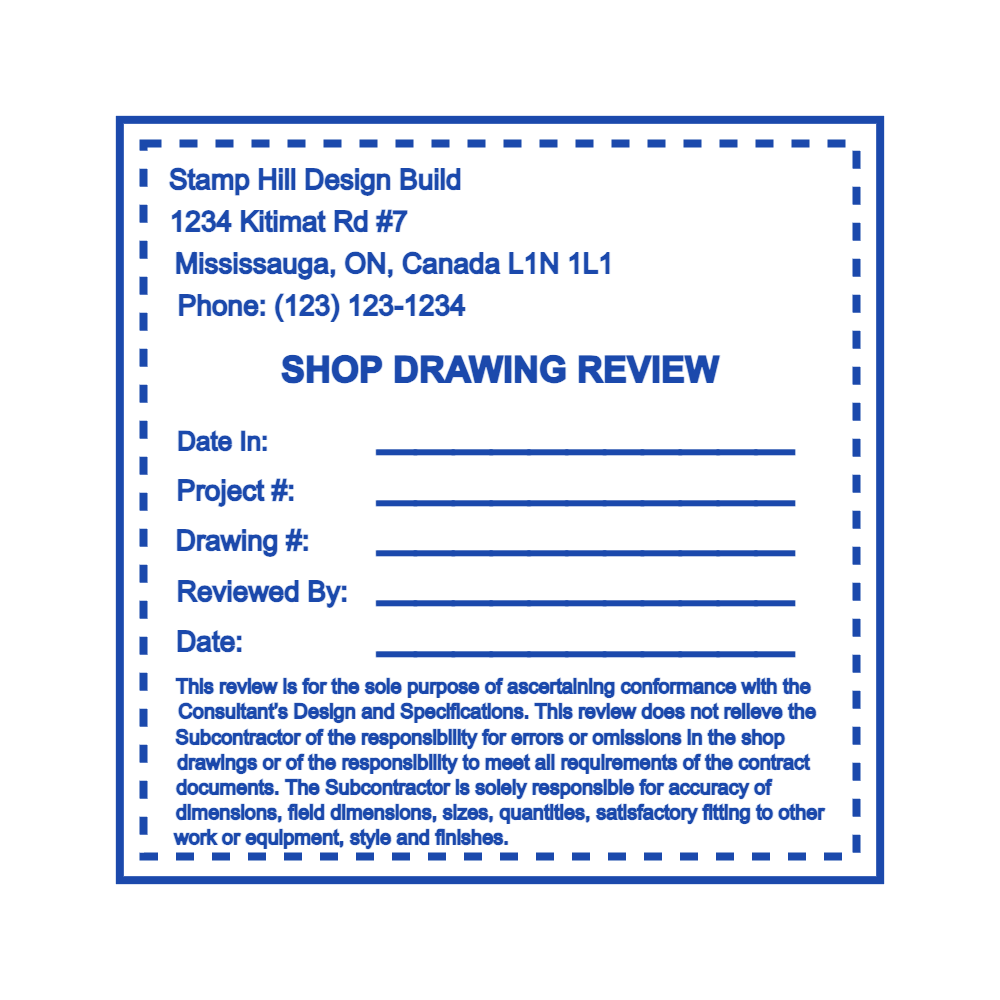
SealsDigital Rectangular Corporate Seal Design — #9826134

Create a Corporate Seal Online with SealsDigital — #0208526
Showing 1 - 6 of 6 templates
Browse Other Categories
Corporate stamps are more than just ink on paper—they’re practical tools that streamline daily operations, reinforce brand consistency, and lend legal authority to business documents. Selecting and customizing the right stamp ensures every page you sign or mail reflects professionalism and reduces repetitive tasks. Want to tailor a design in minutes? Head to the to preview layouts, fonts, and ink colors before production.
Corporate stamps are customized devices that imprint company-specific information—such as name, logo, address, or registration details—onto documents, envelopes, or packaging. Unlike generic rubber stamps, they carry brand elements and sometimes legal identifiers, making each impression a formal mark of corporate approval.
- Time Savings: A single press replaces minutes of handwriting, cutting administrative tasks by up to 80% for high-volume activities.
- Consistency: Every imprint looks identical, eliminating typos and uneven handwriting that can confuse recipients.
- Brand Presence: Incorporating logos and colors turns routine paperwork into subtle marketing touchpoints.
- Legal Clarity: In jurisdictions that recognize stamped documents, a corporate stamp adds a layer of authenticity and can deter fraud.
Traditional Rubber Stamps
Require a separate ink pad; affordable and ideal for low-to-moderate volumes. Offers flexibility to switch ink colors and quick die replacement when text changes.
Self-Inking Stamps
Contain an internal ink reservoir that automatically re-inks the die after each impression. Perfect for hundreds of stamps per day, delivering uniform results with minimal mess.
Pre-Inked Polymer Stamps
Embed oil-based ink directly into a polymer die, yielding crisp, smudge-free lines for up to 10,000 impressions before refilling. Compact and portable, they excel on glossy papers and plastic surfaces.
Embossers
Create raised, ink-free impressions by pressing two metal dies together. Often used for certificates, share documents, and official letterheads where a tactile, elegant seal is desired.
Digital and Hybrid Solutions
Combine electronic stamps (embedded images or secure digital signatures) with physical stamps for printed copies. Streamline remote approvals while maintaining parity between digital and hard-copy records.
1. Prioritize Essential Information
Include mandatory details first—company name, registered address, and legal identifiers (e.g., tax ID). Avoid overcrowding by limiting text to three or four lines.
2. Choose a Readable Font
- Serif fonts (e.g., Times New Roman) convey formality on legal documents.
- Sans-serif fonts (e.g., Arial) enhance clarity at small sizes.
- Avoid ornate scripts that blur under repeated use. Use the playbook to fine-tune spacing and hierarchy for small-format impressions.
3. Incorporate Logos Sparingly
Convert complex graphics into simple line-art or silhouettes to prevent smudging. Position logos above or beside text, ensuring they don’t overwhelm key details.
4. Select Appropriate Shape and Size
- Circular stamps (25–35 mm diameter) suit share certificates and deeds.
- Rectangular or square stamps (30 × 20 mm or larger) accommodate longer names or addresses.
- Custom contours can reinforce brand identity but require precise alignment during stamping. Need geometry inspiration? The breaks down proportions that adapt to corporate seals.
5. Match Ink Color to Brand Palette
Black or navy offers universal legibility; specialty inks (metallic gold or silver) add luxury touches for invitations or high-end packaging.
Step 1: Assess Your Document Workload
- Under 100 impressions/month: Traditional rubber stamps suffice.
- 100–1,000 impressions/month: Self-inking stamps balance durability and ease.
- Over 1,000 impressions/month: Pre-inked polymer stamps minimize downtime and maintenance.
Step 2: Identify Primary Use Cases
- Invoices and purchase orders → self-inking or pre-inked for speed.
- Legal contracts and certificates → embossers for formality or self-inking with clear text.
- Marketing collateral and mailings → logo-enhanced rubber or pre-inked stamps.
Step 3: Verify Legal Requirements
Check regional regulations for required stamp content, size, and usage protocols. Some jurisdictions still mandate physical seals on deeds or board resolutions.
Step 4: Factor in Budget and Longevity
Weigh upfront costs against refill and die-replacement expenses. Polymer dies cost more initially but deliver higher impression counts; rubber stamps are cheaper but may need frequent pad and die swaps.
Secure Storage and Access
Keep stamps in locked drawers or cabinets under the care of authorized personnel. Maintain a usage log recording date, document type, and user name to support audits and deter unauthorized use.
Proper Stamping Technique
- Place the document on a firm, level surface.
- Align the stamp using registration guides or grid templates when available.
- Press straight down with even pressure; avoid rocking motion to prevent smeared edges.
- Lift vertically to preserve crisp impression boundaries. Integrate these steps with the automation ideas in to ensure consistent handling across teams.
Quality Control Checks
Periodically stamp on scrap paper to verify ink levels and die cleanliness. Adjust ink pad position or refill as needed to maintain consistent output.
Ink Pad and Cartridge Refills
Refill self-inking pads every 5,000–10,000 impressions; pre-inked dies require specialized ink drops. Refill before impressions fade to avoid over-saturating the pad and damaging the die.
Die Cleaning
Wipe polymer and rubber dies gently with a soft, lint-free cloth. For stubborn ink buildup, use a mild, manufacturer-approved solvent—never abrasive cleaners or scrubbing pads.
Embosser Upkeep
Inspect hinge mechanisms quarterly for paper dust or debris. Lubricate pivot points with light machine oil to ensure smooth operation and consistent embossing pressure.
Environmental Storage
Store stamps away from direct sunlight, heat sources, and high humidity. Extreme conditions can warp mounts, dry out ink pads, or degrade polymer dies.
Multi-Functional Stamps
Combine date bands, signature lines, or check-box fields into a single unit. Ideal for tracking document receipt, approval dates, or department initials without multiple tools.
Ultraviolet and Invisible Inks
Use UV-reactive ink stamps for security applications—marks are invisible under normal light but revealable under UV lamps to prevent fraud.
Custom Molding and 3D Elements
Advanced manufacturers offer 3D-coated stamps that create embossed logos with dimensional effect, ideal for premium packaging or luxury branding.
Mobile and On-the-Go Options
Pocket-sized pre-inked stamps and mini embossers let traveling executives authenticate documents remotely, ensuring brand consistency outside the office.
Can corporate stamps work on fabric or plastic?
Yes—pre-inked polymer stamps with oil-based inks adhere well to plastics, coated stocks, and textiles. Always test on a hidden corner to confirm adhesion and drying time.
Are digital stamps as secure as physical ones?
When combined with encryption and digital signature certificates, electronic stamps offer comparable audit trails. However, acceptance varies by counterparty and legal jurisdiction.
How often should I replace my stamp die?
Monitor impression clarity—replace polymer or rubber dies when edges soften or text blurs. High-volume users may swap dies every 1–2 years; occasional users can extend beyond 3 years with proper care.
What if my company rebrands or changes address?
A new die or rubber plate is required. Many suppliers offer discounted reorders for existing clients to streamline updates during rebranding or relocation.
A strategically chosen corporate stamp simplifies daily workflows, elevates brand presence, and reinforces legal authenticity across diverse documents. By evaluating your volume needs, design priorities, and compliance requirements, you can select a format—from traditional rubber to hybrid digital solutions—that aligns with your operations. With proper storage, usage protocols, and maintenance routines, your corporate stamp becomes an enduring asset that saves time and projects professionalism at every imprint.
For custom corporate stamp options designed to match your brand identity and operational demands, explore SealsDigital’s tools and templates today.
