SealsDigital Studio
Create your own stamp © sealsdigital.com
PreviewStamp size · 38 mm
Loading...
Select ElementSelect Element
Medical stamps maker
Browse and select professional seal templates related to Medical stamps maker

Round Medical Office Stamp by SealsDigital Seal Maker — #1207578
Medical Office Stamp Template for the SealsDigital Seal Maker — #2923835
Round Medical Office Stamp by SealsDigital Stamp Creator — #3169792
SealsDigital Round Medical Office Stamp Design — #3759157

SealsDigital Medical Office Stamp Starting Layout — #5282452
Medical Office Stamp Template for the SealsDigital Digital Stamp Creator — #6681642
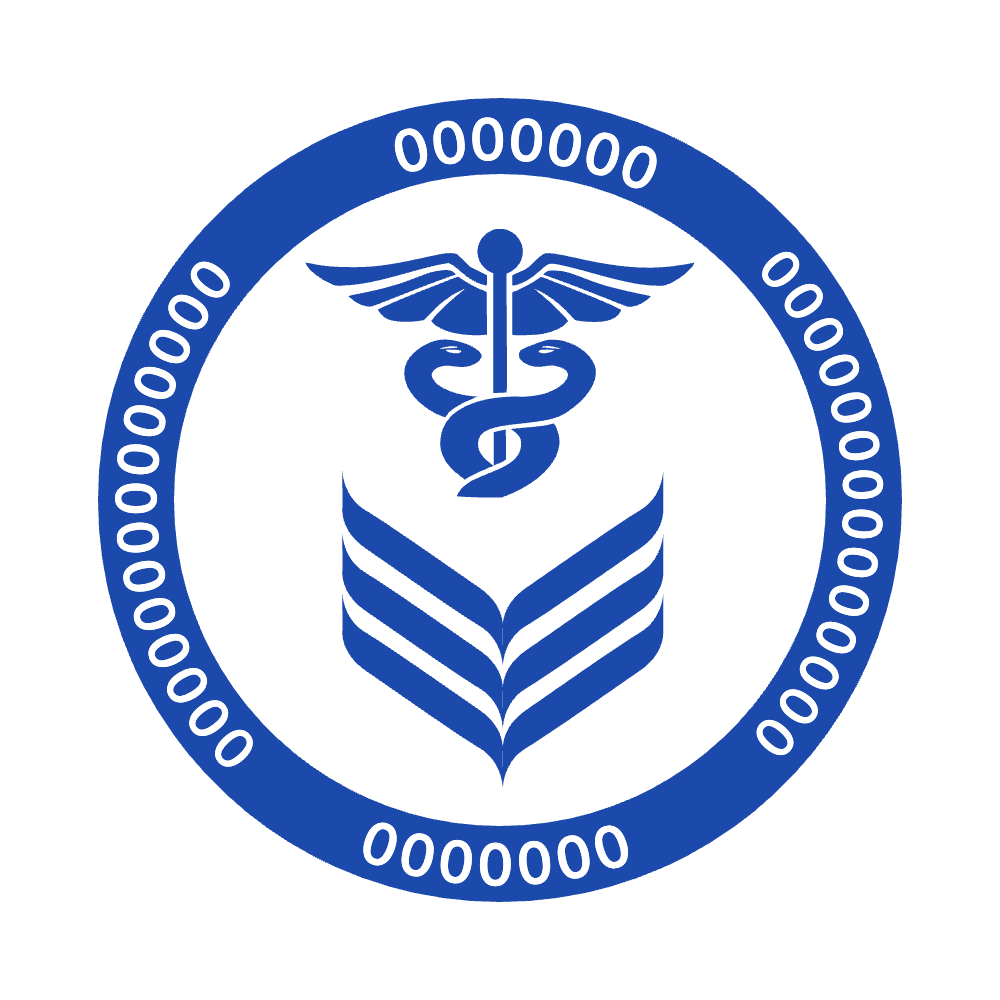
Create a Medical Office Stamp Online with SealsDigital — #7559338
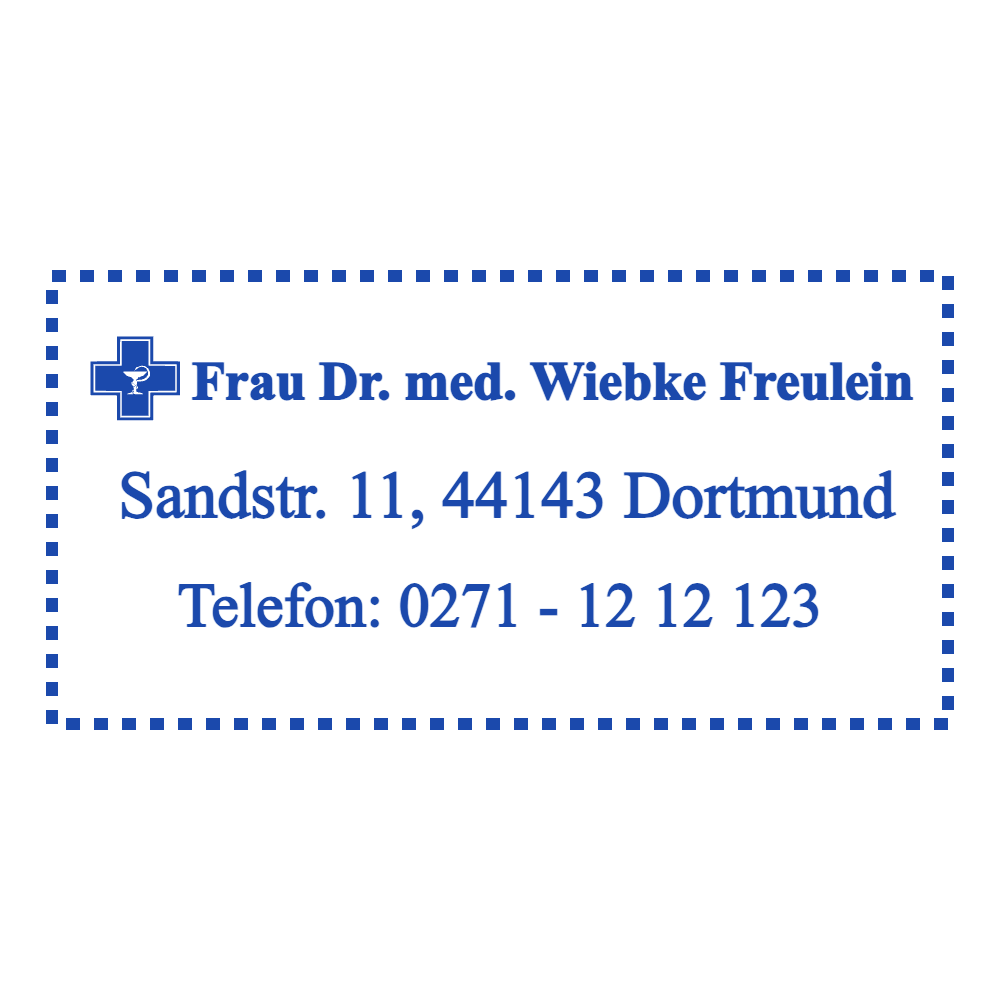
Create a Medical Office Stamp Online with SealsDigital — #8906063

Editable Medical Office Stamp for the SealsDigital Stamp Maker — #8842199

Round Medical Office Stamp by SealsDigital Seal Maker — #0815858

Editable Medical Office Stamp for the SealsDigital Stamp Maker — #1244101

Round Medical Office Stamp by SealsDigital Stamp Maker — #3106494
Showing 1 - 12 of 13 templates
Browse Other Categories
Medical stamps are simple yet powerful tools in clinical settings, accelerating routine tasks, reducing errors, and helping maintain professional standards. From prescription authorizations to allergy alerts, tailored stamps streamline workflows and reinforce patient safety.
Medical stamps are custom-designed devices—rubber, self-inking, or pre-inked—that imprint standard phrases, identifiers, or warnings onto patient charts, prescriptions, and administrative forms.
They can include provider signatures, registration numbers, allergy notices, appointment details, and more, transforming repetitive handwriting into fast, uniform impressions.
- Time Savings: A single press replaces writing lengthy notes or signatures, freeing clinicians to focus on patient care.
- Consistency and Clarity: Uniform stamps eliminate illegible handwriting, ensuring critical instructions are immediately readable.
- Hygiene: Self-inking and pre-inked stamps reduce shared pen use, lowering the risk of cross-contamination.
- Enhanced Safety: Prominent allergy or caution stamps (e.g., “Allergic to Penicillin,” “Do Not Resuscitate”) act as visual alerts that help prevent life-threatening errors.
- Prescription Authorization
Stamps bearing signature lines, license numbers, and clinic logos validate prescriptions quickly and clearly. - Chart and Record Tracking
Common stamps like “Lab Received,” “Patient Seen,” and “Follow-Up Scheduled” organize paperwork and support audit trails. - Administrative Workflows
Billing, referral, and insurance stamps mark forms for faster processing and improved reimbursement accuracy. - Emergency Notices
Immediate-attention stamps flag critical notes—“Urgent Review,” “Code Status Verified,” or medication alerts—to guide staff actions.
- Traditional Rubber Stamps: Economical for low-volume use; require separate ink pads and best for occasional tasks.
- Self-Inking Stamps: Built-in pads provide 5,000–10,000 impressions per refill, ideal for steady, daily stamping.
- Pre-Inked Stamps: Embed ink within the die for 10,000+ crisp impressions; perfect for high-volume settings.
- Digital Stamps: Embed standardized images into electronic records and PDFs, supporting paperless initiatives.
- Include Key Details: Provider name, credentials, and clinic identifier must stand out.
- Prioritize Readability: Avoid overly dense text; use clear, sans-serif fonts at legible sizes.
- Use Recognizable Icons: Medical symbols (caduceus, cross) reinforce authority and speed recognition.
- Select Functional Shapes: Rectangular stamps work best for administrative notes; circular seals suit official certifications.
Many healthcare organizations now integrate digital stamp images into electronic health record (EHR) systems, combining physical and virtual stamps for seamless documentation. Custom mobile-friendly stamps enable care teams to authenticate orders on tablets during rounds, bridging paper and digital workflows.
- Secure Storage: Keep high-value stamps (e.g., signature stamps) in locked areas and limit user access.
- Usage Logs: Track when and by whom prescription or signature stamps are used to support compliance audits.
- Ongoing Maintenance: Replace ink pads at the first sign of fading and clean stamp dies to preserve impression quality.
- Staff Training: Educate clinical and administrative teams on stamp purposes, placement standards, and security protocols.
Medical stamps may seem modest, yet they deliver substantial gains in efficiency, clarity, and safety. By selecting tailored stamp types, incorporating thoughtful design elements, and following best practices, healthcare providers can optimize routine tasks and safeguard patient care—one impression at a time.
