SealsDigital Studio
Create your own stamp © sealsdigital.com
PreviewStamp size · 38 mm
Loading...
Select ElementSelect Element
Bank stamps maker
Browse and select professional seal templates related to Bank stamps maker
Editable Banking Stamp for the SealsDigital Digital Stamp Creator — #9587465

Editable Banking Stamp for the SealsDigital Stamp Maker — #7679574

Editable Banking Stamp for the SealsDigital Stamp Creator — #9787470
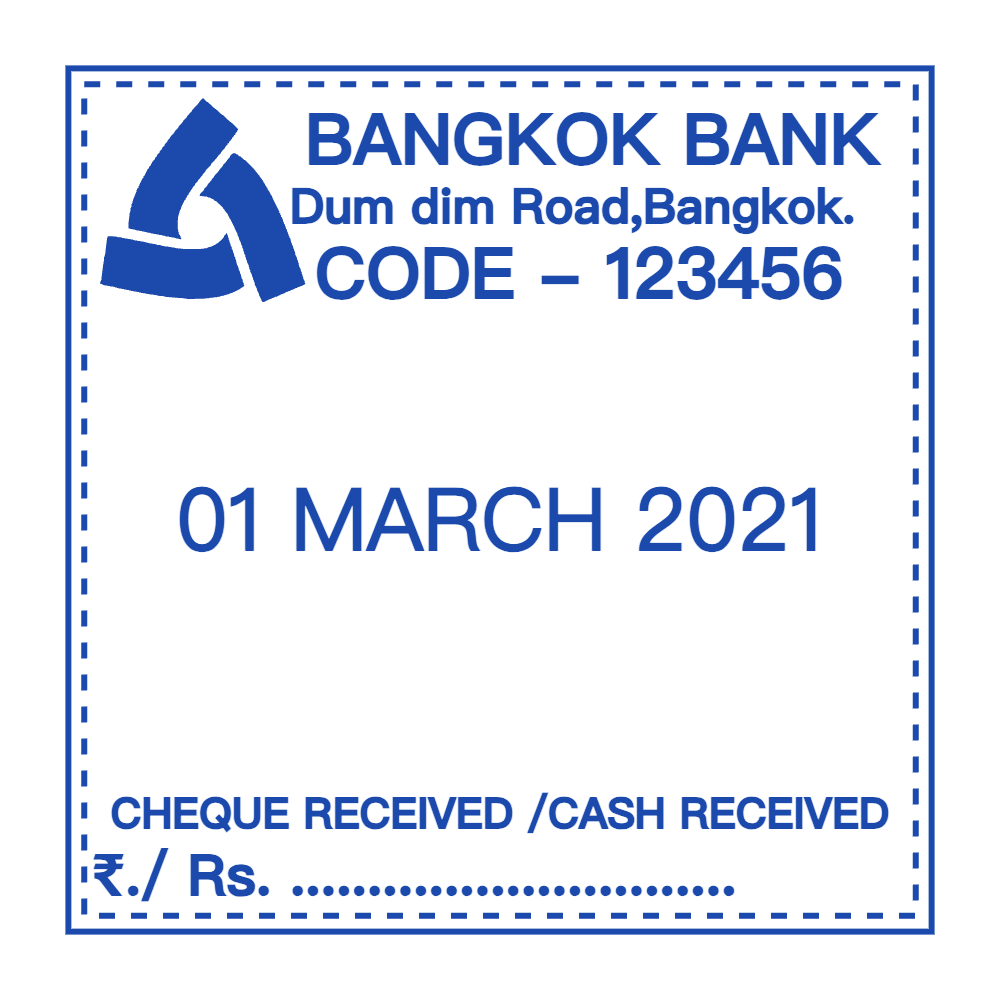
Editable Banking Stamp for the SealsDigital Online Stamp Maker — #0932105
Banking Stamp Template for the SealsDigital Seal Maker — #5904941

SealsDigital Rectangular Banking Stamp Design — #6276157

SealsDigital Banking Stamp Starting Layout — #6304950

Create a Banking Stamp Online with SealsDigital — #7077623
Showing 1 - 8 of 8 templates
Browse Other Categories
Bank stamps are specialized rubber or polymer devices designed to imprint consistent, standardized information onto financial documents. By replacing repetitive handwriting with a single press, they speed up routine tasks, improve legibility, and reduce the risk of errors or fraud. Whether you run a small business, work at a credit union, or simply deposit checks regularly, understanding how bank stamps work and which type suits your needs can save time and enhance security.
Financial institutions and businesses process countless checks, slips, and forms every day. A bank stamp ensures that each document bears the precise wording, account details, or approval mark required by internal controls and regulatory standards.
- Consistency: Every impression is identical, preventing misreads caused by sloppy handwriting.
- Speed: Stamping a stack of checks takes seconds, compared to minutes of manual inscription.
- Security: Pre-printed phrases like “For Deposit Only” and fixed account numbers curb unauthorized alterations.
For Deposit Only Stamps
These stamps carry the legend “For Deposit Only,” often paired with an account number and optionally a business or branch name. They restrict further negotiation of a check by instructing the bank to accept it solely for deposit.
Use cases:
- Daily check deposits by retail shops, nonprofits, or rental agencies.
- Endorsements on payroll or vendor checks.
- Church treasurers or HOA boards handling contributions. Need inspiration for compliant layouts? Try the to customize account-safe formats in minutes.
Account Number and Routing Stamps
Designed to imprint a fixed string of digits (account and/or routing numbers) onto deposit slips or applications, these stamps eliminate manual entry errors that can delay posting.
Use cases:
- High-volume back-office operations where the same account is referenced repeatedly.
- Loan servicing departments applying customer account details to multiple forms.
- Membership organizations collecting dues.
Date & Initial Stamps
A combination of an adjustable date band and a small blank for initials, this style records when and by whom a document was processed. It is invaluable for audit trails and internal controls. See how automated workflows pair with rubber hardware in .
Use cases:
- Tellers timestamping checks as they arrive.
- Loan officers marking approval dates.
- Accounts payable teams logging invoice receipt.
Paid / Processed Stamps
Imprinting words such as “Paid,” “Processed,” or “Cancelled,” these stamps signal completion of a transaction or the final disposition of a document.
Use cases:
- Marking loan installments or mortgage payments.
- Confirming vendor invoices as settled.
- Voiding check originals in audit archives.
Beyond the essentials, organizations sometimes employ niche stamps for compliance, documentation, and branding:
- Check Cancellation Stamps: A diagonal “Cancelled” imprint preserves original check images for record-keeping.
- Signature Guarantee Stamps: For securities transfers, these bear the institution’s medallion seal or guarantor signature block.
- Confidentiality Stamps: “Confidential,” “Sensitive,” or “Internal Use Only” stamps help control document visibility.
1. Define Your Primary Function
Identify the task you perform most often:
- Frequent check deposits → For Deposit Only + account number stamp.
- Repetitive paperwork entry → Account Number or Routing Stamp.
- Document tracking → Date & Initial Stamp.
- Transaction completion → Paid or Processed Stamp.
2. Gauge Usage Volume
Estimate the number of impressions per week or month:
- Under 100 impressions: Traditional hand-held rubber stamps with separate ink pads are cost-effective.
- 100–1,000 impressions: Self-inking stamps balance convenience and durability, offering thousands of clear impressions before re-inking.
- Over 1,000 impressions: Pre-inked stamps with oil-based ink hold up best to heavy use and deliver the sharpest details.
3. Prioritize Durability and Clarity
- Material: Polymer dies yield crisper lines on uneven surfaces; rubber is flexible and forgiving when paired with quality ink pads.
- Ink Type: Oil-based inks resist smudging on glossy or coated papers; water-based pads dry quickly on standard stock.
- Mount Style: Self-inking units integrate an ink reservoir, while pre-inked stamps store ink in the die—both free you from carrying separate pads.
4. Ensure Compliance and Security
Financial regulators and internal audit teams often set minimum legibility and information requirements:
- Use bold, sans-serif fonts for account numbers and directives.
- Avoid decorative scripts or logos that clutter the stamp area.
- Confirm that the stamp size fits standard endorsement zones on checks and leaves room for bank processing marks. Dive deeper into banking-grade safeguards with the guide.
- Flat, Firm Surface: Place documents on a rigid backing to avoid blurred impressions.
- Alignment Guides: Use registration marks or stamping jigs to ensure each imprint lands in the correct spot.
- Light, Even Pressure: Press gently to avoid ink overflow or die damage.
- Dry Time: Allow oil-based impressions 10–15 seconds to set on glossy materials.
- Regular Cleaning: Wipe rubber and polymer surfaces with a damp cloth when switching ink colors.
- Proper Storage: Store self-inking and pre-inked units upright, away from heat and sunlight, to preserve ink pads.
- Timely Refills: Replace or refill ink before impressions begin to fade—most self-inking stamps last 5,000–10,000 presses per pad.
- Inspect Dies: Check for debris or uneven wear periodically; a clean die ensures consistent clarity.
Can I use bank stamps on non-paper materials?
Yes. Oil-based pre-inked and certain self-inking stamps work on light plastics and coated slips. Always test on a hidden sample to verify adhesion and drying time.
How fast can I get a custom bank stamp made?
Standard production ranges from 2–5 business days, with rush options often available. Self-inking and pre-inked models may take slightly longer due to assembly.
What happens if my account number changes?
You must order a new die or stamp—the information on the existing device is permanent. Many suppliers offer discounted reorders for updated details.
Is a custom stamp worth the cost?
For organizations or individuals who routinely handle checks or financial forms, the time saved and reduction in errors typically offset the initial expense within a few weeks.
Choosing the ideal involves matching your core task, expected volume, and compliance needs to the right format and materials. Whether endorsing checks, tracking paperwork, or marking transactions complete, a well-selected stamp transforms repetitive writing into a swift, reliable step—freeing up time, minimizing mistakes, and reinforcing professional standards.
