The practice of stamping logos or symbols has a history that stretches back centuries. Ancient civilizations used carved seals to authenticate documents, protect goods, and convey authority. In Mesopotamia and Egypt, seals bore distinctive marks that acted as a personal or institutional identifier. Over time, these evolved into wax seals in medieval Europe, where noble families and guilds would press insignias into letters to ensure authenticity. Today’s are the modern descendants of these traditions, blending heritage with contemporary design. They are not just about authority anymore—they have become creative instruments for identity and branding, used by small businesses, creative professionals, and even hobbyists.
Creating a logo stamp requires attention to both artistic and technical details. First, clarity is essential—since stamps often reproduce at a smaller scale, intricate patterns may blur. A strong usually emphasizes bold lines, simple shapes, and balanced typography. Second, versatility matters. A stamp should look good whether pressed in ink, embossed on paper, or digitized for online use. Third, brand personality plays a central role. A playful brand may choose rounded fonts and quirky illustrations, while a law firm may prefer sharp, serifed lettering that conveys professionalism. Finally, size and proportion should be considered. Too small, and the details disappear; too large, and the stamp becomes impractical for everyday use. The best designs achieve a balance where the stamp is functional, recognizable, and visually appealing.
Logo stamps have found new life in the modern era, especially as small businesses and creative entrepreneurs seek affordable and authentic branding solutions. For example, handmade product sellers often use logo stamps to brand packaging, shopping bags, or thank-you cards. Coffee shops and bakeries apply them on takeaway cups and pastry bags, adding a personal touch that customers remember. Offices use them to mark official documents, while artists may use custom logo stamps to sign their work in a subtle, stylish way. Even in personal life, logo stamps have uses: couples stamp wedding invitations with their initials, hobbyists brand scrapbooks, and families customize stationery. These practical applications highlight why logo stamps remain relevant: they bridge the gap between traditional branding and modern creativity.
In an age where digital design dominates, some might ask why logo stamps still matter. The answer lies in tangibility. Digital branding is crucial for websites, social media, and online stores, but physical marks carry a human touch. A stamped logo feels authentic, handmade, and personal—qualities that resonate with audiences seeking connection in a digital-heavy world. Moreover, logo stamps are cost-effective. Unlike printed packaging that requires minimum orders, a stamp can be applied to different materials on demand, saving money for startups and small businesses. Another benefit is adaptability: one stamp can work across a wide range of surfaces, from paper and cardboard to fabric and wood, offering flexibility that digital-only branding cannot replicate. In short, logo stamps complement digital branding rather than compete with it, adding depth to a brand’s identity.
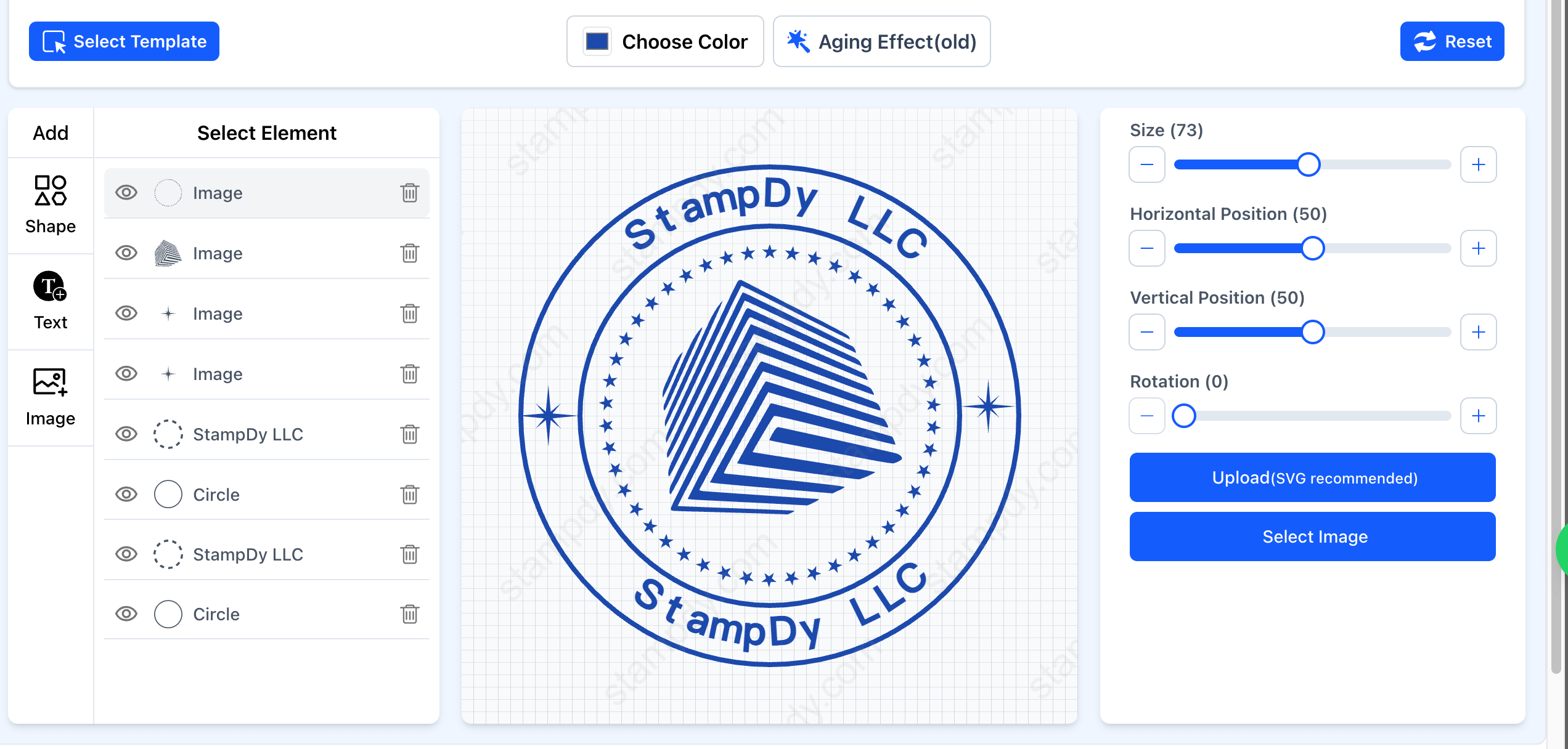
The internet has transformed the way people design and order logo stamps. Online platforms now allow anyone to upload their logo, adjust design elements, and preview how the stamp will look before ordering. This accessibility has lowered barriers for small businesses and individuals who want professional-quality stamps without needing advanced graphic design skills. Many online tools also provide templates, making it easy for someone without a logo to create one from scratch. The convenience of designing from home, paired with fast delivery, explains why are increasingly popular. Beyond ease of access, these platforms often allow customers to download their logo designs digitally, creating consistency across both physical and digital branding.
While the most common uses of logo stamps are on documents and packaging, creative minds have discovered countless other ways to put them to work. For instance, some businesses use logo stamps as part of customer loyalty programs, stamping cards with every purchase. Artists apply them on canvas bags or limited-edition prints as a subtle mark of authenticity. Event organizers use them on wristbands, entry tickets, or promotional materials to create a cohesive theme. Teachers and community groups also find playful uses for stamps, adding motivational messages or decorative elements. These innovative applications show that logo stamps are not only functional but also a canvas for creativity, allowing brands and individuals to express themselves in unique ways.
As sustainability becomes more important to consumers, eco-friendly logo stamps have gained traction. Many now offer wooden handles, biodegradable materials, and water-based inks to minimize environmental impact. Reusable stamps also cut down on waste compared to printed packaging. Another rising trend is DIY logo stamping. Some creative entrepreneurs prefer to carve their own stamps from rubber blocks, enjoying the tactile process of shaping a personal mark. This trend appeals not only to cost-conscious business owners but also to those who want complete creative control. Both eco-friendly production and DIY crafting highlight how logo stamps have adapted to modern values while retaining their timeless charm.
Despite their versatility, come with limitations. Ink-based impressions may smudge or fade if not applied carefully. Surfaces like glossy paper or plastic can resist ink, requiring special techniques or materials. There is also the issue of consistency: while digital prints are identical every time, stamps can vary slightly depending on pressure or ink saturation. However, many see these imperfections as part of their charm, giving each stamp an organic, human quality. Another consideration is legal use. For official or certified documents, only certain authorized stamps may be valid. Businesses must be clear on when and how to use logo stamps so they complement, rather than replace, necessary formal branding processes.
In a world driven by screens and digital content, logo stamps remain a refreshing reminder of the physical presence of a brand. They combine history, design, practicality, and creativity in ways that connect with people on a personal level. Whether used by a global company for branding or by an individual for personal expression, logo stamps prove that a simple mark can carry lasting meaning. Their adaptability across industries and cultures demonstrates that stamping is not a fading tradition but a tool that continues to evolve. As online tools and eco-friendly practices expand their possibilities, logo stamps are poised to remain a valuable, accessible, and creative element of branding for years to come.
